Beginners' Guide to Going Walking - page 1 - from Walks Around Britain - Walks Around Britain

Go to content

Main menu

Beginners' Guide to Going Walking - page 1 - from Walks Around Britain

Walking Info


Our Beginners' Guide to Going Walking


If you are just starting out walking, it can feel quite daunting... Where do you walk?  What will the walk be like?  What do you need to wear?  What do you need  to take?

Lots of questions, but we've got the answers on Walks Around Britain
.

Where to walk?

Firstly, our walking routes
and walking videos should give you plenty of inspiration of where to walk - and if our website doesn't cover an area yet, we've got links to other sites to help you.


What will the walk be like?


All the walks on our website are graded - easy, medium and hard
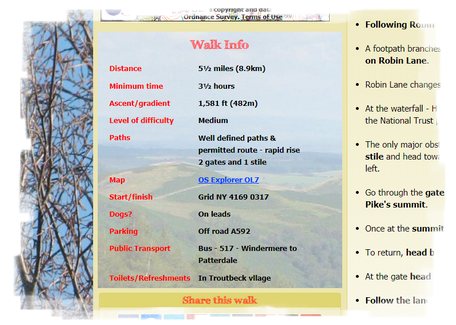
- and we try to give as much information about the walk as we can - including the number of stiles, the type of terrain and even how to get to the walk using public  transport.

And if you pick one of the routes with our famous walking videos
, you can easily see exactly what the walk will be like and what you'll discover along the way by watching the video.


So that's the first two questions answered.  Now let's tackle the other questions...


What do you need to wear?

Well, you can go out walking wearing jeans and trainers and a can of cola - but we don't advise that if you want to be comfortable and enjoy your walk.  Having said that, you perhaps don't need extreme boots, expensive all weather jackets and a pack more  suitable to mountain explorers.

A lot of the walks on the Walks Around Britain
website go through areas which are pretty exposed, and although these are often the best and most rewarding walks, you certainly won't enjoy them if you're frozen to the bone and soaking wet...   Even on bright days, the weather in Britain can change very quickly - so you need to be prepared.
Here's what we recommend you wear if you're thinking about going out walking on a fairly regular basis...


Photo - Loch Lomond and the Trossochs National Park


Footwear

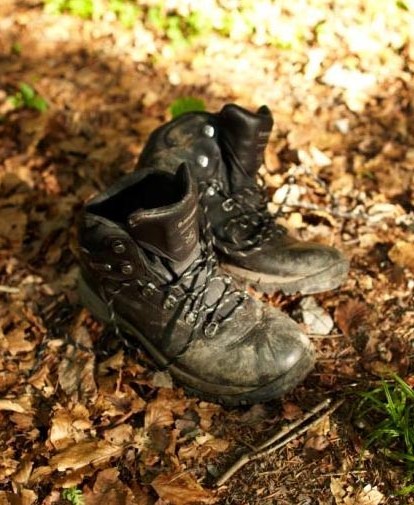
If you only buy one piece of kit for walking, we recommend you buy a good pair of walking boots
.  Nothing will ruin your day more than having uncomfortable wet feet!

Walking boots are the best as they provide you with ankle support
- essential over uneven ground.  A lightweight pair should be fine if you're not going to climb the Lake District's highest fells or over rugged terrain.

Even if you intend to buy from an online retailer, go to a local outdoor shop first and check the ones you want fit well and are comfortable.  A local outdoor shop might be more expensive than an online retailer, but you  can get help and advice in getting the right boots.

Make sure you "break in"
new walking boots before you go out seriously walking in them.  Use them for a couple of weeks before your first trip and gradually increase the length of time you wear the boots.  When the stiffness is gone and you feel  comfortable in them, that's the time to go on your walk.


Socks
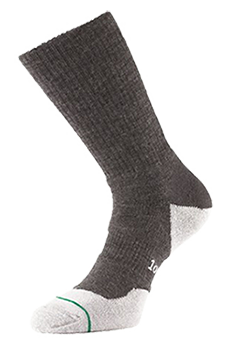
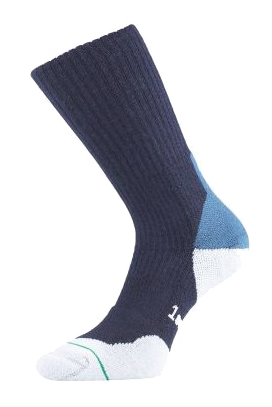
are also important as they are your first line of defense against blisters.  The best socks don't bunch up in your chosen boots and should take sweat away from your skin.  If you don't invest in properly designed walking socks,  steer well clear of cotton socks.

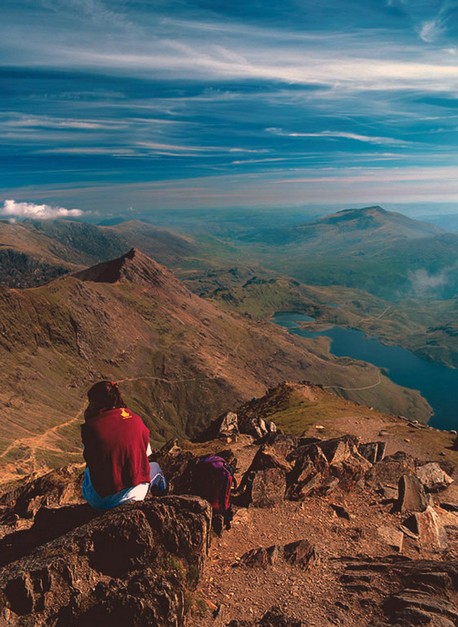
Photo - Snowdonia National Park

Waterproof jacket with hood

With our weather being so changable, a good quality waterproof and windproof jacket or anorak is essential.  There is a big different between waterproof and just showerproof - you'll find out in the middle of Snowdonia!  Look for one with a hood
and many waterproof jackets have a built-in hood which can be folded away when its not needed.  Spacious pockets are also a good idea, especially if they have zips or flaps to stop your maps, food and other items getting wet.

Jackets are available in many different price brackets and feature many different materials and waterproofing systems.  A "breathable" material
which allows sweat out but stops rain getting in is what you need.  The more expensive jackets will feature storm flaps to prevent water getting in through the zip, adjustable cuffs and ventilation features.

Waterproof jackets need to be cared for in accordance with the manufacturer's instructions.  Waterproofing can fail if the jacket is washed incorrectly, or hasn't been looked after with care.  Some waterproofs can be re-energised by a quick spin in a tumbledryer.


Trousers that will dry quickly - not jeans!
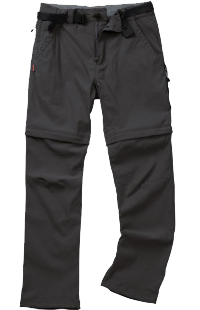
Everyday casual trousers are ok for easy walks, but if you're intending on walking regularly then a pair of synthetic walking trousers
are a must.  These are lightweight, loose-fitting, have plenty of pockets  and dry very  quickly - very useful when on a walk.

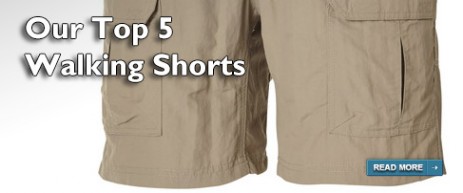
Some walkers wear shorts in warm weather, although long trousers offer more protection against ticks, nettles and brambles.  Certains types of walking trousers allow to the legs to be zipped off to form shorts.


Try to avoide jeans.  Once jeans have got wet, they take a long time to dry - which with their high wind-chill factor means you can get very cold in them.  They also can cause chafing due to their restrictive movement.


Photo - Pembrokeshire Coast National Park

Hat and gloves in the cooler months / Sunhat or cap in the hotter months
Several experts now question statistiscs like up to 40% of body heat is lost through the head, but it is certainly the case that wearing a hat in winter will keep you warmer
.  A hat is a must in winter, especially in the hills, and it can be worn under a jacket hood.  It also protects your ears too.

Gloves
are also important in cold weather, especially if you suffer from circulation problems such as chilblains.  Walking with a good posture means you should be able to swing your arms freely, so putting your hands in your pockets isn't  a good idea.

When it's sunny, wear a sunhat
and use sun cream on your face and any bare patches of skin.  You may be out in the sun for long periods without shelter and even in a cooling wind or in winter you can still get burnt.


Layers

The basic idea of outdoor clothing is layering
- this means using several thin layers of clothing rather than one thick jumper.  This is because warm air gets trapped between the several thin layers providing better insulation, and  you can add or remove layers as you get hotter or colder.

The "base layer"
is the one nearest to the body.  This can be made from a synthetic material which can take mosture away from the skin - known as "wicking".  There are many different types of synthetic material but essentially they  all do the same job.  Or another material is Merino - which is from a breed of sheep.  Merino is highly breathable and is exceptional at actively moving moisture away from the skin.  Merino fibres also release a small amount of heat when wet, so  unlike synthetics will not feel cold and clammy when wet.

Between base layer and a jacket, you can add one or more insulating "mid-layers"
.  This is usually an open-weave or a knitted fabric - most people use a fleece.  Regular fleece sweatshirts from normal high-street stores are  fine, but a good fleece specially designed for outdoor use could keep you warmer and more comfortable.  Some of these walking fleeces are even windproof, so you have the option of not having to wear a jacket.


Photo - Heather Lowther - Exmoor NPA

Other items that are useful include...

Gaiters
- great if mud or rain are likely are your route.  These protect your boots and trousers.


We're putting info about what we wear on our walking videos soon.


Don't be put off by this list - it isn't about us saying you need all this kit, it's to help you get the most out of walking and to avoid getting wet, uncomfortable, wet, hungry, hot, blisters and burnt - although not all at once!


You'll have an idea of what kind of walking you are going to do and how often, bearing in mind the time of year, weather, length and difficulty of the walks.

If you only buy one piece of kit, we advise a pair of good quality walking boots
.

Next Page >

Back to content | Back to main menu